
Dealokr logoDealokr
Practical checklistBefore the project

A client onboarding checklist for your freelance project.

Check the decisions, resources and next action before production. This personal checklist brings together useful steps for a first engagement or a new project with an existing client.

Start preparing

An initial yes from a client does not yet tell you whether you can start in good conditions. You still need to check the agreed basis, planned payment, available resources and next action. This page helps you make that transition before reserving production time.

To prepare the decisions that belong in the agreement, use the freelance contract guide. This checklist focuses on putting them into practice: who confirms what, what is ready and what still needs to be obtained.

Tick the items you have actually verified, then copy your preparation record to keep it. You can also view the text version and clear all checks to prepare another project.
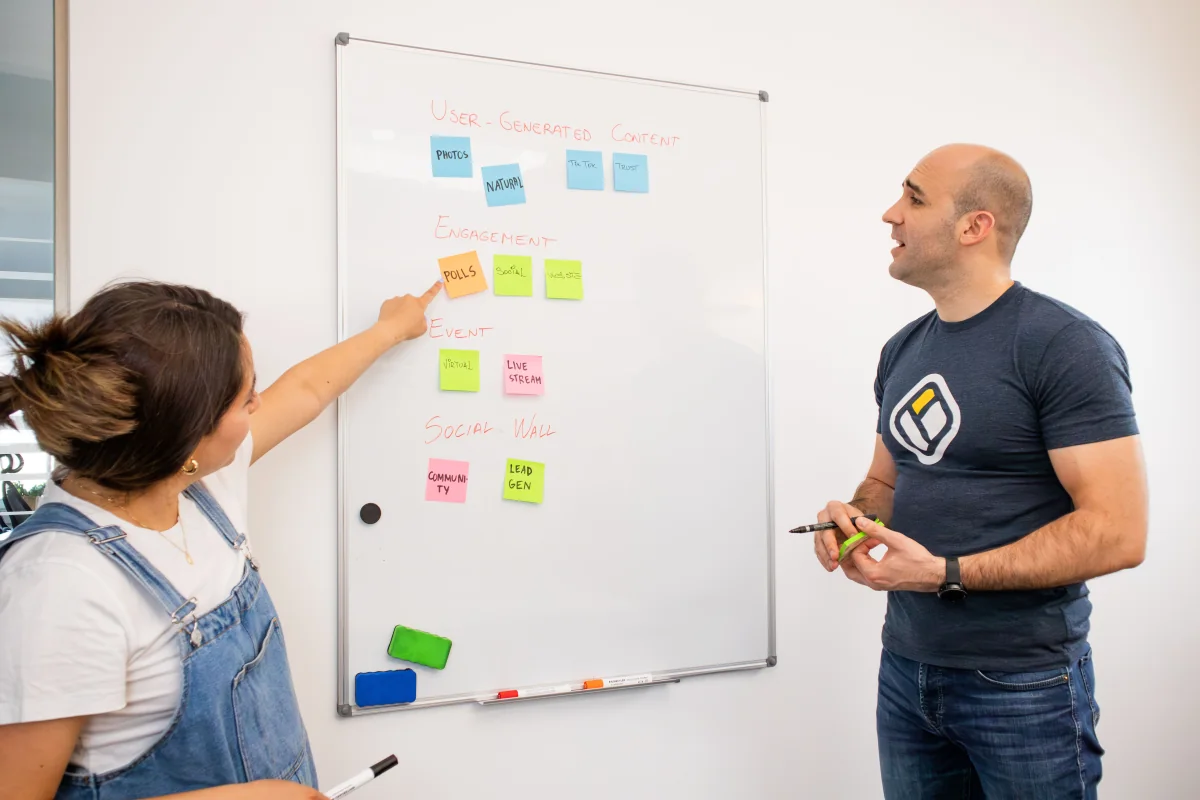

Two people organise sticky notes on a whiteboard.
Three sets of points to check.
  • The need, people involved and accepted agreement.
  • Payment, files, access and dependencies.
  • Kickoff, schedule and the next action.

0/18 items checked

These boxes track your own checks. They do not constitute client approval, payment or permission to hand over files.

View the checklist as text
Need and agreement
[ ] I have clarified the intended result.
    The client and I recognise the goal, deliverables and criterion for success.
[ ] I have identified the people involved and their roles.
    The contact, decision-maker and person collecting feedback are identified.
[ ] I have checked deliverables and exclusions.
    Quantities, formats, any source files and boundaries match the proposal.
[ ] I have found the accepted version.
    Terms, appendices and the response are connected to the right version of the agreement.
[ ] I have clarified the feedback process.
    The person, channel, planned rounds and review dates are understood.
[ ] I have checked permitted uses and how changes are handled.
    Relevant rights and the way an addition is accepted are explained.

Payment and resources
[ ] I have checked the amount and separate fees.
    Currency, relevant taxes and external purchases match what was presented.
[ ] I have checked the starting condition and payment status.
    The status consulted is recorded; if the start remains blocked, the next check is identified.
[ ] I have explained the sequence through to handoff.
    The client understands payment, review and the conditions for accessing final material.
[ ] I have checked the necessary resources.
    Versions, formats and usage permissions have been reviewed.
[ ] I have checked the access I need.
    External invitations and permissions match the role required.
[ ] I have assigned missing items to an owner.
    Each blocking dependency has a date and an identified effect on the schedule.

Kickoff and next step
[ ] I have clarified the useful decisions in the initial exchange.
    Meeting or written exchange: questions affecting the start have an answer.
[ ] I have confirmed the first deliverable and dates.
    Dates account for expected contributions and the client’s review.
[ ] I have agreed the communication channel with the client.
    The client knows where to ask questions and find project references.
[ ] I have recapped the actions and their owners.
    Every action has an owner and an understood deadline.
[ ] I have made blocking points visible.
    What can start and what still needs confirmation are clear.
[ ] I have announced the next action to the client.
    The next step, its owner and its date are explicit in the shared record.
01 · Understand the project

Define the result before reserving production time.

Before starting a project, check that you and the client describe the same result. A label such as “website redesign” does not explain the work required or where it stops. Restate the need, identify the deliverables and ask what will make this stage successful from the client’s perspective, starting with your first conversation.

Hands point to elements of a printed plan during a discussion.

Turn a request into an observable result

For a website, distinguish page design, implementation, content and launch. For consulting work, identify the interviews, analysis and material being delivered. You do not need to solve the whole project in the brief. Bring out the decisions that actually affect the work and the estimate, so the proposal reflects the service the client needs.

Ask who will use the result, for what occasion and under which constraints. A campaign date, software version or internal approval can determine how the work is organised. If information is missing, record the question, who can answer it and how it affects preparation. Avoid allowing an unknown requirement to become an assumed commitment.

Make boundaries and responsibilities visible

List what is included in the proposal and what still needs deciding. Distinguish the everyday contact, the person collecting feedback and whoever can commit the client. On a first project, simply restating the brief together already helps prevent production based on different assumptions.

02 · Confirm the basis

Review the agreement and terms before work starts.

The agreement should make the commissioned work, price and working arrangements easy to find. Before production, compare the latest proposal with decisions made since it was sent. Check the appendices, exclusions and accepted version, so the project begins from a shared reference rather than several documents that describe different expectations or contradict one another.

Two people discuss documents laid out on a table.

Check the details that affect delivery of the service

Review the deliverables, dates and contributions expected from the client. Clarify review arrangements: who responds, through which channel and how comments are grouped. Editable files, permitted uses, maintenance and external services should match what you have actually planned to provide. Do not leave an important inclusion to a casual assumption.

If the client adds a need before work starts, confirm its effect on price and timing. Meeting notes should not quietly change an accepted proposal. In Dealokr, keep the terms and signature with the project, so the same reference can accompany payment, the preview and the final handoff.

Check what you have actually verified

This first group covers the need and agreement. Tick an item when you have found a usable answer, rather than simply discussed the subject. If a point remains open, identify what is missing and ask the client for a specific confirmation. Keep the relevant response with the version it concerns.

Need and agreement

The client and I recognise the goal, deliverables and criterion for success.

The contact, decision-maker and person collecting feedback are identified.

Quantities, formats, any source files and boundaries match the proposal.

Terms, appendices and the response are connected to the right version of the agreement.

The person, channel, planned rounds and review dates are understood.

Relevant rights and the way an addition is accepted are explained.

03 · Prepare payment

Clarify the price and check the condition for starting.

The client should know what they are paying, when and for which scope. Check the amount, currency, relevant taxes and any separate fees. Also review the condition for starting: an intention to pay or an email announcing a payment does not, on its own, establish the actual status of the payment you expect.

A calculator, a notebook and a pen are arranged on a desk.

Make the explanation match the planned sequence

Identify who will pay and who should receive any necessary invoicing information. If an internal purchasing process is involved, ask for the useful references before the start date. Distinguish your fee from purchases the client needs to make, such as hosting, licences, content or an advertising budget, depending on the project.

For fixed-price work in Dealokr, the client pays 100% before production through Stripe Connect. Explain that order before kickoff and consult the project’s actual status. If the condition for starting is not satisfied, clarify the next step with the client before beginning production, rather than treating an expected payment as already confirmed.

Explain what happens afterwards too

The client can review a preview and request the agreed revisions. You then request the transfer under the project’s conditions; confirmation opens access to hosted final files. The bank payout is a separate step. This short explanation gives the initial payment context and avoids leaving the final handoff unexplained until the end.

04 · Gather what is needed

Collect usable files and check the access you require.

A full folder does not mean every necessary resource is ready. Check the versions, formats and usage permissions of the material received. For each essential access, identify the service, the role you need and who can invite you. Do this before starting a task that needs them, so missing files or permissions do not interrupt work you have begun.

A laptop, external drives and cables are arranged on a desk.

Ask for specific resources

Replace “send me the content” with a suitable list: reviewed copy, the reference logo, usable images, sample data or technical documentation. Ask which items are final and which may change. You can then distinguish a task that is ready to start from one still waiting for the client’s contribution.

For a Figma account, code repository or CMS, prefer an invitation with the appropriate role where the service supports it. Avoid requesting a password in a shared document. Check access using your own account and query an unexpected link or unusual request through the client’s established communication channel.

Make dependencies explicit

If an item is missing, identify who will supply it, by when and which part of the schedule depends on it. Confirm a revised start where needed. Dealokr helps keep references with the project; permissions for external services are managed in those services. A reference in the project does not itself grant access.

Payment and resources

Currency, relevant taxes and external purchases match what was presented.

The status consulted is recorded; if the start remains blocked, the next check is identified.

The client understands payment, review and the conditions for accessing final material.

Versions, formats and usage permissions have been reviewed.

External invitations and permissions match the role required.

Each blocking dependency has a date and an identified effect on the schedule.

05 · Organise kickoff

Prepare the client kickoff meeting.

Kickoff turns an agreement into a shared work plan. It can be a short meeting or a written exchange when the project is straightforward. Prepare the remaining questions, responsibilities and first deliverable, then involve the people who can supply information or confirm the decisions that are needed before production can begin.

A person takes notes during a meeting, with other seated participants in the background.

Keep the agenda focused on the work

Start by restating the intended result and scope boundaries. Move on to missing resources, dates and review points. Confirm the communication channel and who will consolidate feedback. A meeting involving every contributor is not essential if each person has the information they need and the relevant decisions can be made.

Ask the client how internal approval works: who needs to be consulted and when? This helps you plan a realistic review. Distinguish a proposed date from a confirmed one, and avoid multiplying meetings that do not help a decision. On a small project, a clear written response may be enough.

Send a recap people can act on

After the exchange, bring together decisions, open questions and assigned actions. One line per action is enough: what needs doing, by whom and by when. If kickoff reveals a scope change, handle it separately and have it accepted before producing the added work. The recap should make the next step easier to follow.

06 · Set the next action

Confirm the start and keep a method you can reuse.

Before starting, review the project in its actual order: agreement, payment condition, resources, initial production and review. Confirm a next action that belongs to someone and has an understood deadline. If a point is blocking progress, name it and explain its effect on the start rather than leaving the client to assume everything is already underway.

A hand writes beside checkboxes in a task notebook.

Make one final pass through open points

A partial start can work if you have explicitly agreed it: some tasks are ready, while others await a contribution. Specify what begins and what still depends on a response. The recap, files and project steps should all reflect the same arrangement, so a blocked task is not mistaken for a missed commitment.

Use the final group to review kickoff. To keep your preparation record, copy the checklist with its current checks and place the text in your project folder before leaving the page. The text version also gives you a format you can review or share through your usual working channel.

Kickoff and next step

Meeting or written exchange: questions affecting the start have an answer.

Dates account for expected contributions and the client’s review.

The client knows where to ask questions and find project references.

Every action has an owner and an understood deadline.

What can start and what still needs confirmation are clear.

The next step, its owner and its date are explicit in the shared record.

Improve the method after each project

After handoff, note a question that should have been asked earlier, a resource that arrived late or an explanation that helped the client. Improve preparation using those observations. A reusable method keeps the fundamentals while leaving room for your work and each client’s context, rather than forcing every project into an identical sequence.

A clear start does not require predicting everything. It requires understanding the agreed basis, making dependencies visible and giving the client a next step they can follow. Keep the checklist with the project’s actual decisions, then adapt it using what the work teaches you.

Back to the checklist
Sources and verification
  • Dealokr — Freelance contract guide: scope, revisions, interruption and copyright
  • Dealokr — Agreement, fixed-price payment, preview and hosted final-file handoff
  • Dealokr — First project preparation, repeatable process, onboarding and kickoff

This page offers a preparation method to adapt to the project. It complements the parties’ agreement and does not replace legal review appropriate to their circumstances.